
- Crunch
- Global
AMP Wealth Management, a leading asset manager in Australia, has committed $27 million to Bitcoin, marking it as the first major superannuation fund in the nation to invest in cryptocurrencies. The move was disclosed by the Australian Financial Review, highlighting AMP’s pioneering step into the digital asset space during a period when Bitcoin prices fluctuated between $60,000 and $70,000.
According to Anna Shelley, AMP’s Chief Investment Officer, the investment accounts for a mere 0.05% of the firm’s impressive $57 billion asset portfolio. Shelley describes the venture as part of a strategic diversification aimed at embracing emerging financial technologies. Despite the potential risks associated with digital currencies, AMP views this as a calculated step towards future-proofing its investment strategy.
As the Australian crypto market continues to evolve, regulatory bodies are tightening oversight to ensure better consumer protection. Meanwhile, AMP’s decision to engage with cryptocurrencies reflects a broader acceptance of their relevance in the modern financial landscape, despite other super funds’ hesitation to directly engage with digital currencies.

El Salvador is setting a new standard in the global digital asset space by signing a collaborative agreement with Argentina to enhance both countries’ digital asset industries. Juan Carlos Reyes, president of El Salvador’s National Commission of Digital Assets, and his Argentine counterpart, Roberto Silva, cemented the partnership which aims to leverage Argentina’s robust blockchain industry and El Salvador’s advanced regulatory experience for mutual benefits, including information sharing and improved regulatory frameworks.
The deal marks the beginning of El Salvador’s broader strategy to foster international cooperation in cryptocurrency regulation. Reyes revealed that discussions are ongoing with over 25 nations to establish similar partnerships, highlighting a proactive approach to embracing digital currency opportunities worldwide. This initiative underscores El Salvador’s role as a pioneer, having adopted Bitcoin as legal tender three years ago, giving it a head start in the digital assets domain.
With plans to finalize more agreements soon, El Salvador is determined to advance crypto adoption and ensure a safer regulatory environment through cross-border collaboration. Reyes emphasized the importance of immediate action to prevent risks associated with delayed regulation, advocating for prompt compliance with international standards to safeguard the burgeoning industry.
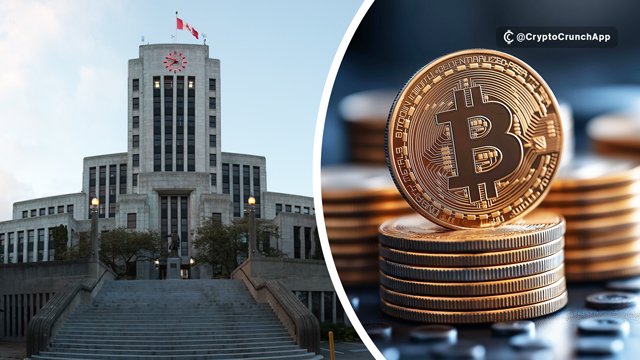
Vancouver City Council has approved a motion to explore integrating Bitcoin into its municipal financial operations, including its use as a reserve asset and for payment of services. The proposal, championed by Mayor Ken Sim, passed with six councilors in favor during Wednesday’s meeting.
Sim, a Bitcoin advocate and Coinbase shareholder, highlighted Bitcoin’s potential to hedge against inflation. To demonstrate his support, Sim announced a $10,000 Bitcoin donation to the city. “We totally believe in the benefits of this and we’re putting our money where our mouth is,” he said.
City staff will analyze the feasibility and deliver a report by Q1 2025, considering financial, regulatory, and operational risks. This decision aligns with growing global interest in Bitcoin adoption, following similar discussions in jurisdictions like Switzerland and amid increasing support from political leaders, including U.S. President-elect Donald Trump.