
SingularityNET announces the merger dates for FET, AGIX, and OCEAN into the new ASI token, aiming to create a unified decentralized AI network.
Read more on Cointelegraph

SingularityNET announces the merger dates for FET, AGIX, and OCEAN into the new ASI token, aiming to create a unified decentralized AI network.
Read more on Cointelegraph
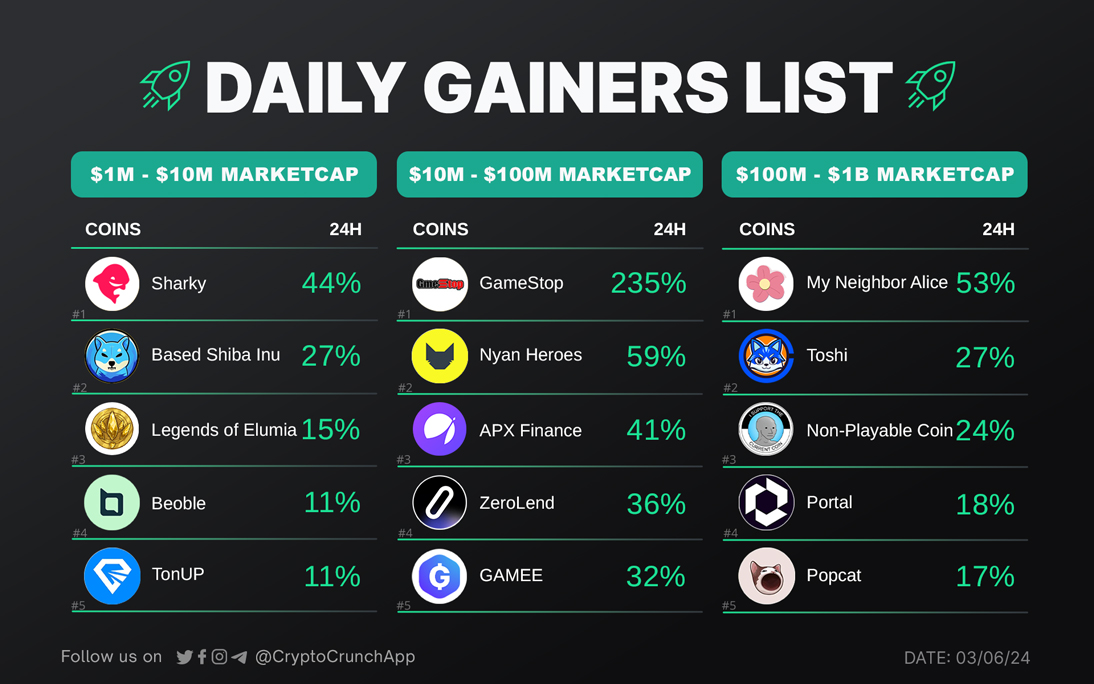
Disclaimer: Market capitalizations can vary in real-time. The information provided here is intended purely for educational purposes and should not, under any circumstances, be construed as financial advice.
Join CryptoCrunchApp on Telegram Channels – Click to Join

Bitcoin market commentators are increasingly confident that BTC price action is building a breakout, which will make history.
Read more on Cointelegraph

Bitcoin holders moved over 367,000 BTC on May 18, worth over $25 billion, recording a yearly high in the value of Bitcoin transactions.
Read more on Cointelegraph
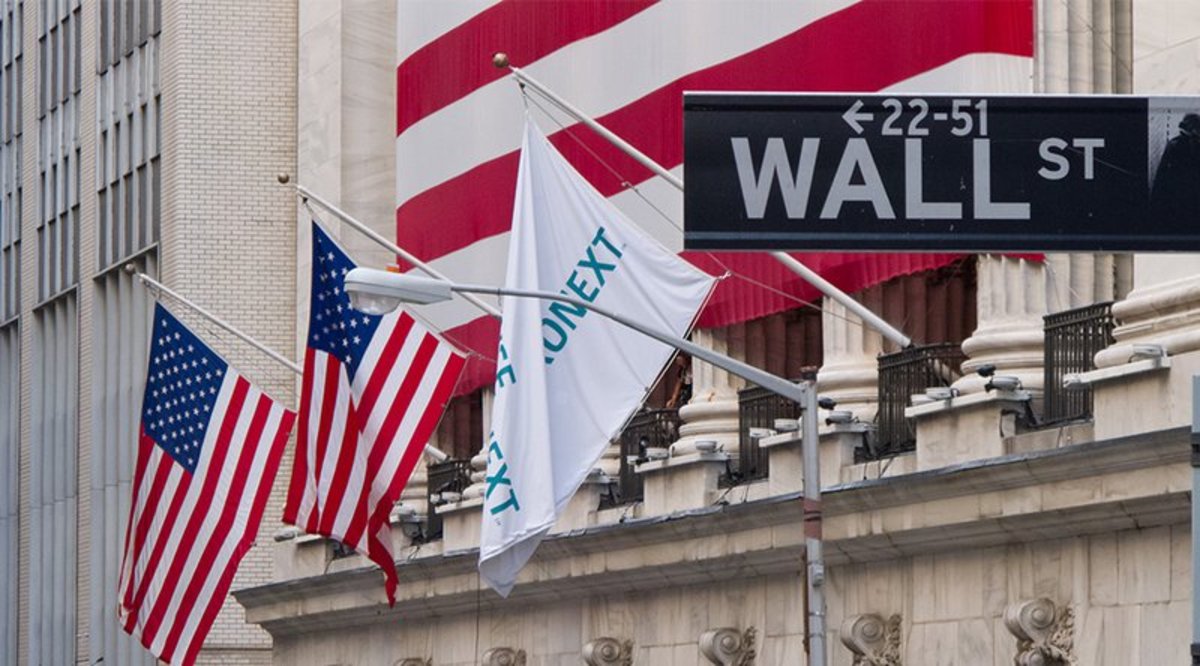
Bitcoin holders moved over 367,000 BTC on May 18, worth over $25 billion, recording a yearly high in the value of Bitcoin transactions.
Read more on Cointelegraph

Previously known as Okcoin Europe, OKX began serving users in the Netherlands in 2021 after registering with the Dutch Central Bank.
Read more on Cointelegraph

Bitcoin’s trajectory could reach new highs, with predictions placing its value between $130,000 and $150,000 by late August to early September 2025. This forecast by crypto expert Peter Brandt follows the recent April 20 halving, an event reducing mining rewards by half, historically catalyzing significant price surges. Brandt’s analysis draws from patterns observed in previous cycles, suggesting a consistent mid-cycle timing for halvings and subsequent peaks in market value.
Despite current fluctuations, with Bitcoin trading at $67,882 after a high of $73,679 in March, the market shows potential for considerable growth. Brandt notes a 25% probability that the peak may have already occurred but maintains optimism based on past bull markets. If Bitcoin fails to set new records and falls below $55,000, however, he anticipates a possible shift toward exponential decay, highlighting the volatile yet hopeful landscape of cryptocurrency investment.

Maple Finance launches Syrup, a DeFi protocol offering secured institutional lending, amid lingering skepticism from the FTX-Alameda fallout.
Read more on Cointelegraph

Frax Finance’s X account was hacked on June 1 without a password breach, leading CEO Sam Kazemian to suspect insider involvement.
Read more on Cointelegraph

Stephen Richardson’s view aligns with Bloomberg’s ETF analysts, who expect the spot Ether ETFs to capture 10-20% of the flows that Bitcoin ETFs did at launch.
Read more on Cointelegraph